designers guide to nyc
Historic Architectural Landmarks
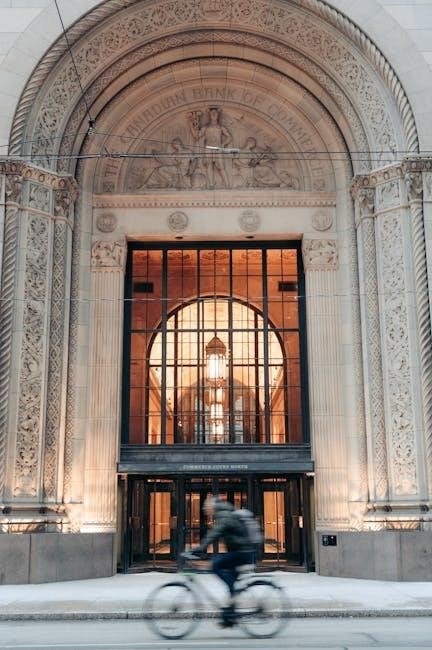
Arlo NoMad, a Gothic Revival gem, boasts a gilded pyramid roof and was designed by Cass Gilbert, famed for the Woolworth Building. The Metropolitan Life Insurance Tower dominates the Flatiron/NoMad block, spanning Madison, Park Ave South, and 23rd-24th Streets, a monumental steel‑glass landmark. 20th art now!!
Arlo NoMad (Gothic Revival)
Arlo NoMad stands as a striking testament to late‑19th‑century Gothic Revival architecture in the heart of Manhattan’s NoMad district. Designed by the renowned architect Cass Gilbert—who also conceived the iconic Woolworth Building—this 12‑story structure was completed in 1906 and has since become a beloved landmark for design enthusiasts. Its façade is a masterclass in ornamentation, featuring intricate stone tracery, pointed arches, and a dramatic, gilded pyramid roof that crowns the building like a medieval spire. The roof’s reflective gold panels catch the city’s light, creating a shimmering beacon that has earned Arlo NoMad a reputation as one of the city’s most photogenic residential towers.
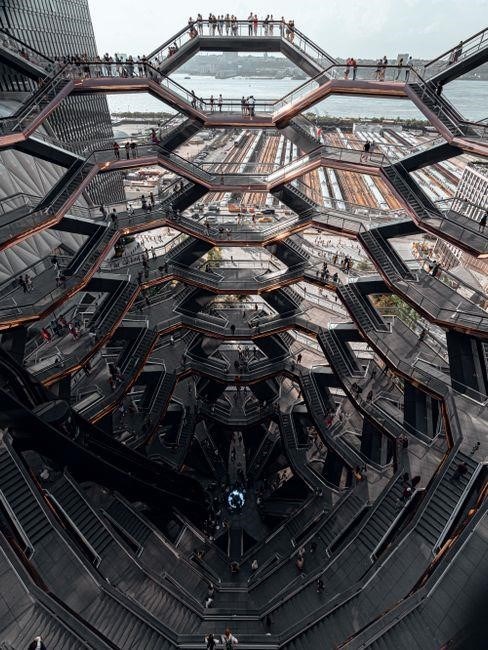
Inside, the building’s interior continues the Gothic theme with soaring ceilings, vaulted corridors, and a central lobby that showcases a stunning stained‑glass window depicting a stylized skyline. The lobby’s polished marble floors and brass fixtures echo the period’s opulence while providing a contemporary, airy feel that appeals to modern residents. Each unit is thoughtfully designed with high ceilings, large windows, and custom millwork, allowing natural light to flood the space and highlight the building’s architectural details. The apartments also feature floor‑to‑ceiling windows that offer sweeping views of the city’s bustling streets below.
Beyond its architectural allure, Arlo NoMad has cultivated a vibrant community atmosphere. The building’s on‑site amenities include a fitness center, a rooftop terrace with panoramic views, and a private dining room that hosts regular cultural events. Residents often gather for book clubs, art exhibitions, and culinary tastings, fostering a sense of belonging that extends beyond the building’s walls. The building’s proximity to NoMad’s eclectic mix of cafés, art galleries, and boutique shops makes it an ideal base for designers and creatives looking to immerse themselves in a city that thrives on innovation and aesthetic excellence.
Arlo NoMad’s enduring charm lies in its seamless blend of historic grandeur and contemporary comfort. Whether you’re admiring the gilded roof from the street, strolling through its ornate lobby, or enjoying a sunset from the rooftop terrace, the building offers a unique experience that celebrates the rich architectural heritage of New York City while embracing the needs of today’s design‑savvy residents. Its design has inspired countless interior designers, who cite Arlo NoMad as a benchmark for integrating historic detail with modern luxury.
Metropolitan Life Insurance Company Tower
The Metropolitan Life Insurance Company Tower, often called the Met‑Life Tower, is a monumental steel‑glass skyscraper that dominates the Flatiron and NoMad neighborhoods. Completed in 1909, the 364‑foot tower was designed by the architectural firm of Cass Gilbert and his partner, and it remains one of the city’s most striking early‑20th‑century landmarks. Its façade is a striking example of the Chicago School’s emphasis on verticality, with a narrow, rectangular footprint that tapers as it rises, creating a dramatic, almost cathedral‑like silhouette against the skyline.
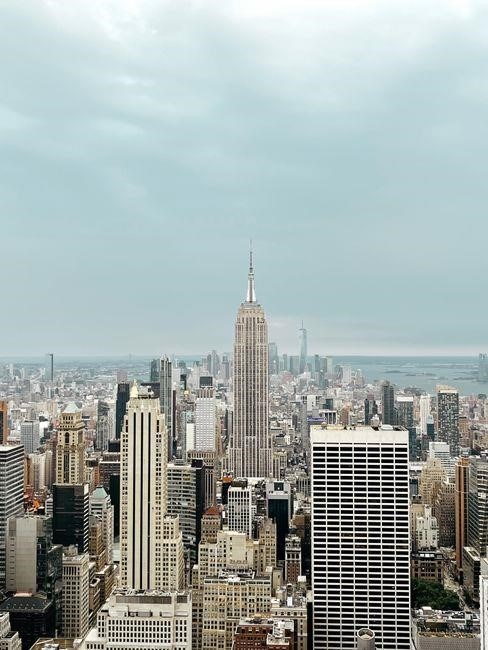
Inside, the tower’s lobby is a grand space that blends classic Beaux‑Arts detailing with modern amenities. The polished marble floors, soaring vaulted ceilings, and intricate bronze fixtures set a tone of timeless elegance. The building’s original office spaces were designed for maximum natural light, with floor‑to‑ceiling windows that framed the city’s bustling streets below. Today, the tower houses a mix of office tenants and a boutique hotel, each space carefully preserved to maintain the historic character while incorporating contemporary comforts.
One of the tower’s most iconic features is its glass curtain wall, which was a pioneering use of curtain‑wall technology at the time of construction. The wall’s extensive use of glass not only allowed for an abundance of daylight but also created a sense of transparency that was revolutionary in early skyscraper design. The tower’s location at the intersection of Madison Avenue, 24th Street, Madison, Park Avenue South, and 23rd and 24th Streets places it at a pivotal point in the city’s urban fabric, where the historic Flatiron District meets the modern pulse of NoMad.
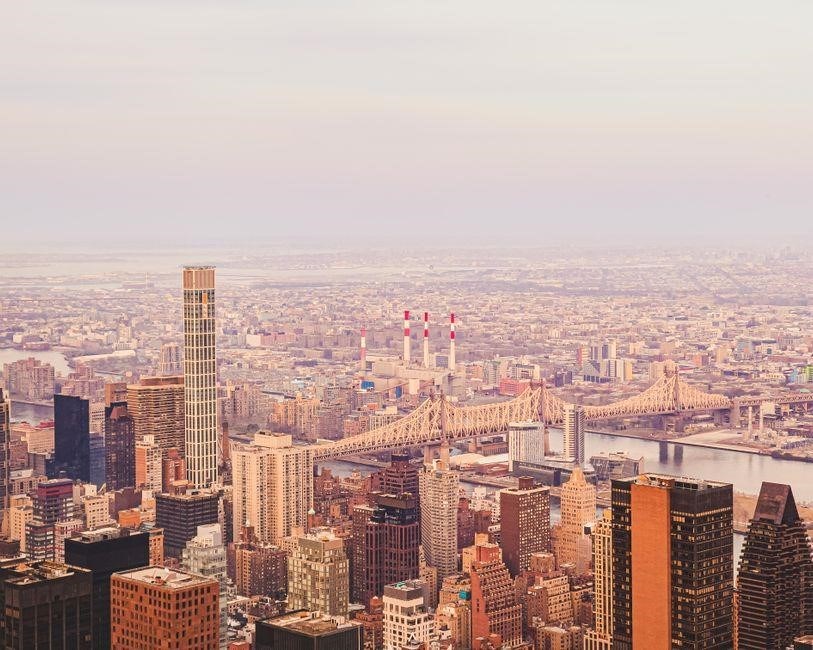
Architecturally, the tower’s design reflects the transition from the ornate Victorian style to the streamlined modernism that would dominate the 20th century. The building’s original ornamentation—such as the bronze eagle motifs and the carved stone cornice—were carefully preserved during a 1990s renovation that restored the tower’s original grandeur while upgrading its mechanical systems. The renovation also introduced energy‑efficient glazing and a state‑of‑the‑art HVAC system, ensuring that the tower remains both historically significant and environmentally responsible.
For designers, the Met‑Life Tower offers an inspiring study in the evolution of skyscraper architecture. Its blend of steel framing, glass innovation, and classical detailing provides a rich narrative that informs contemporary design practice. Whether you’re exploring the tower’s historic lobby, studying its structural engineering, or simply admiring its silhouette from the street, the Met‑Life Tower remains a cornerstone of New York City’s architectural heritage.
Iconic Art Institutions
New York’s art scene thrives in landmark museums that blend architecture with collection. The Guggenheim’s spiraling design invites visitors into modern masterpieces. The Met offers vast historical breadth. Whitney, by Renzo Piano, celebrates contemporary art. MoMA showcases avant‑garde innovation. for lovers?!
The Solomon R. Guggenheim Museum, a Frank Lloyd Wright masterpiece, rises on a Manhattan hill with its iconic spiral ramp and white glass façade. Inside, the continuous gallery space redefines the relationship between art and architecture, allowing visitors to glide through rotating exhibitions that showcase modernist and contemporary works. The building’s soaring atrium and central courtyard create an open, dramatic atmosphere that invites reflection. A guided tour highlights the architectural nuances and contextualizes the artworks within broader design movements. The museum’s café, perched on the upper level, offers panoramic views of the Hudson River and the city, making it a perfect spot to pause and absorb the surrounding design context. The Guggenheim’s blend of architectural elegance and artistic vision makes it a must‑visit destination for design lovers.The museum’s layout itself is a lesson in spatial storytelling, with the spiral corridor guiding visitors through a continuous narrative of art and architecture. Its central atrium, illuminated by natural light, serves as a gathering point for contemplation and discussion. The Guggenheim’s design has inspired countless architects and designers worldwide, cementing its status as a cultural icon. Visitors often remark on the seamless integration of form and function, noting how the building’s interior spaces encourage movement and interaction. The museum also hosts temporary exhibitions that explore the relationship between contemporary design and historic context, offering fresh perspectives on classic works.
The Metropolitan Museum of Art, commonly known as The Met, stands as a monumental testament to artistic heritage and architectural grandeur on Fifth Avenue. Its main building, a Beaux‑Arts masterpiece, features a stately façade, a grand staircase, and a vast central atrium that invites visitors into a world of timeless beauty. Inside, the museum houses an expansive collection that spans five continents and eight millennia, offering a curated journey through ancient civilizations, Renaissance masterpieces, and contemporary design innovations. The Met’s design philosophy emphasizes the harmonious integration of art, architecture, and visitor experience, creating immersive galleries that encourage exploration and reflection. Notable highlights include the Egyptian Hall, the American Wing, and the modern wing, each showcasing distinct architectural elements that complement the artworks displayed. The museum’s recent renovations have introduced state‑of‑the‑art climate control, interactive exhibits, and accessible pathways, ensuring that the institution remains a dynamic hub for cultural enrichment. For design enthusiasts, The Met provides an unparalleled opportunity to study the interplay between historic architectural forms and modern curatorial practices, making it an essential destination in the city’s design landscape. The museum also hosts rotating exhibitions that spotlight emerging designers, bridging the gap between traditional art and contemporary design discourse. Visitors can explore the museum’s rooftop terrace, offering panoramic views of Central Park and the city skyline, a perfect backdrop for reflecting on the fusion of natural and built environments. Additionally, The Met’s educational programs, including workshops and lectures, provide hands‑on learning experiences for aspiring designers, fostering a deeper appreciation for the role of design in shaping cultural narratives. Its skylight casts a warm glow across halls!!
Whitney Museum (Renzo Piano)
The Whitney Museum of American Art, located on the Upper East Side, is a striking example of contemporary architecture designed by Renzo Piano. The building’s façade features a dynamic interplay of glass and steel, creating a light‑filled interior that serves as a stage for the museum’s ever‑changing collection of 20th‑and 21st‑century American art. Piano’s design emphasizes transparency and fluidity, allowing visitors to experience the artworks in a context that blurs the boundaries between exhibition space and public realm. The museum’s layout includes multiple galleries, a rooftop terrace with sweeping views of Manhattan, and a dedicated space for temporary installations that encourage dialogue between artists and audiences. In addition to its architectural significance, the Whitney hosts a range of educational programs, workshops, and artist talks, fostering a vibrant community of creatives and patrons. The museum’s commitment to contemporary practice is evident in its rotating exhibitions, which showcase emerging talents alongside established figures, providing a platform for innovative artistic expression. With its bold design and dynamic programming, the Whitney remains a cornerstone of New York’s cultural landscape, inviting visitors to engage with the evolving narrative of American art in an environment that reflects the city’s relentless energy and creative vision. The museum’s design invites you to explore the intersection of form, function, and artistic vision, offering an immersive experience that resonates with designers and art lovers alike. — a timeless beacon.
MoMA
The Museum of Modern Art (MoMA) stands as a beacon of contemporary design, blending iconic architecture with a curated collection that spans painting, sculpture, film, and digital media. Designed by architect Yoshio Taniguchi, 2004 expansion introduced a glass façade that invites natural light into expansive galleries, creating a fluid dialogue between the artworks and the surrounding cityscape. The museum’s layout features a series of interconnected spaces, including the renowned 10th Street Gallery, the dynamic 9th Street Gallery, and the state‑of‑the‑art Cinema, each tailored to showcase the breadth of modern artistic expression. The museum’s permanent collection boasts masterpieces from Picasso, Kandinsky, and Warhol, while its rotating exhibitions spotlight emerging talents and experimental media, fostering a continuous conversation between past and present. Beyond exhibitions, MoMA offers educational programs, workshops, artist talks that engage visitors of all ages, encouraging them to explore intersections of design, technology, and culture. Its library and research center serve as vital resources for scholars, providing access to rare manuscripts and archival materials. MoMA’s commitment to accessibility is evident through multilingual guides, adaptive technology, and inclusive programming, ensuring that the experience resonates with a diverse audience. Whether you’re a designer or a curious traveler, MoMA’s blend of eleganceand artistic innovation offers an immersive journey into modern creativity, reflecting New York’s spirit andglobal hub for designand the art.!
Design-Focused Neighborhoods
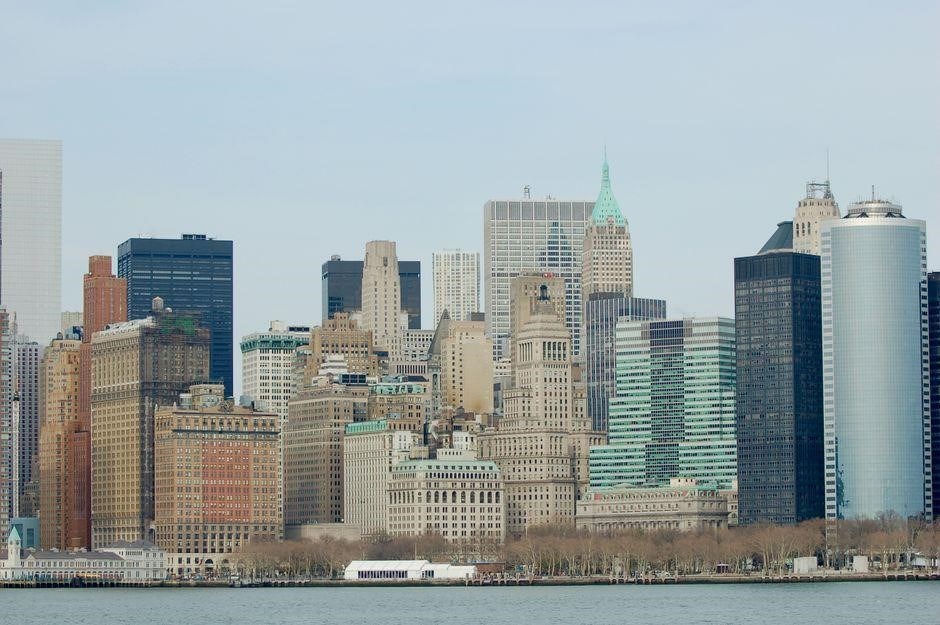
NoMad, a hub of architectural innovation, blends historic Gothic Revival with modern lofts, offering designers a playground of chic cafés, galleries, and boutique studios. Its cobblestone streets and vibrant street art create an inspiring backdrop for creative exploration. Its skyline is a glass‑steel canvas.
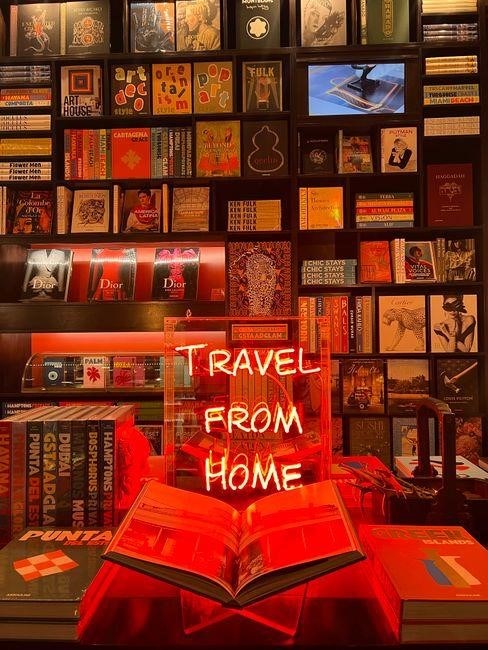
NoMad
NoMad, short for North of Madison, has transformed from a quiet residential enclave into a vibrant design district that attracts architects, interior designers, and creative entrepreneurs. The streets are lined with a mix of 19th‑century brick buildings and sleek, contemporary loft conversions that offer a striking contrast between historic facades and glass‑steel towers. Cobblestone avenues, historic brickwork, and modern façades create a visual dialogue that fuels inspiration. Cafés with minimalist décor, art galleries showcasing emerging talent, and boutique studios offering custom furnishings make the neighborhood a one‑stop destination for inspiration. Designers often wander the block, stopping at pop‑up shops that feature artisanal furniture, lighting, and textiles sourced from global artisans. The area’s proximity to major cultural institutions—such as the Guggenheim, the Met, and MoMA—adds to its allure, allowing creatives to seamlessly transition between studio work and museum visits. Public art installations and street murals add layers of color and texture, encouraging on‑the‑go brainstorming sessions. NoMad’s vibrant nightlife, with rooftop bars offering panoramic city views, provides a relaxed setting for informal meetings and networking. The neighborhood’s commitment to sustainability is evident in the growing number of eco‑friendly design firms that prioritize recycled materials and energy‑efficient building practices. Overall, NoMad’s blend of historic charm, modern architecture, and a thriving creative community makes it an indispensable hub for anyone looking to immerse themselves in New York’s design culture. The district also hosts regular design fairs, pop‑up markets, and collaborative workshops that bring together local artisans and international designers. Its dynamic street life, coupled with quiet, sun‑lit courtyards, offers a balanced environment for both creative brainstorming and reflective work!.
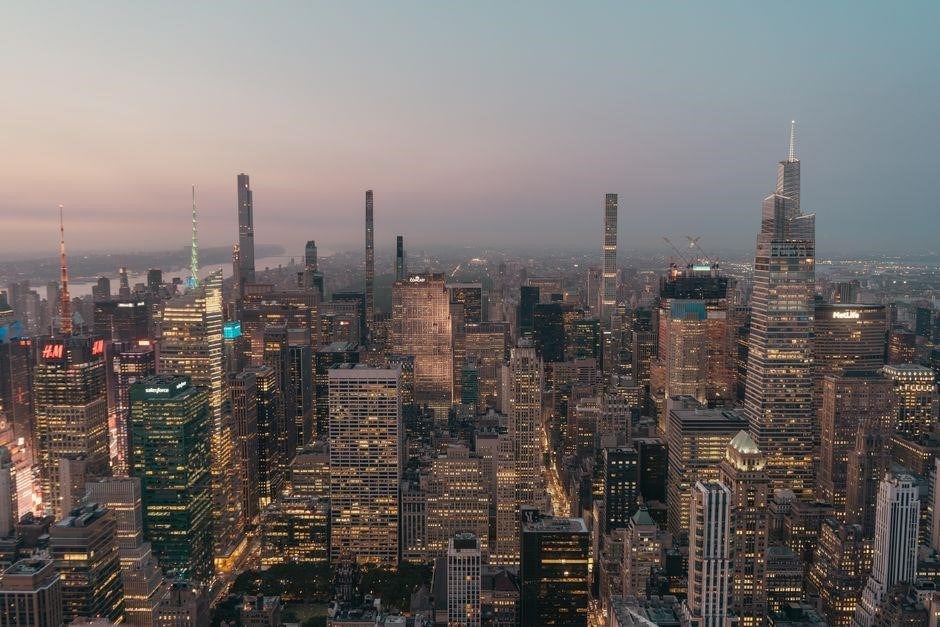
Key Design Stores
Design Within Reach offers timeless modern pieces, The Citizenry showcases handcrafted global décor, Roman & Williams Guild blends contemporary with classic, and MacKenzie‑Childs delivers curated luxury furnishings. Each shop fuels NYC’s creative pulse. Explore curated aesthetics daily. Here.
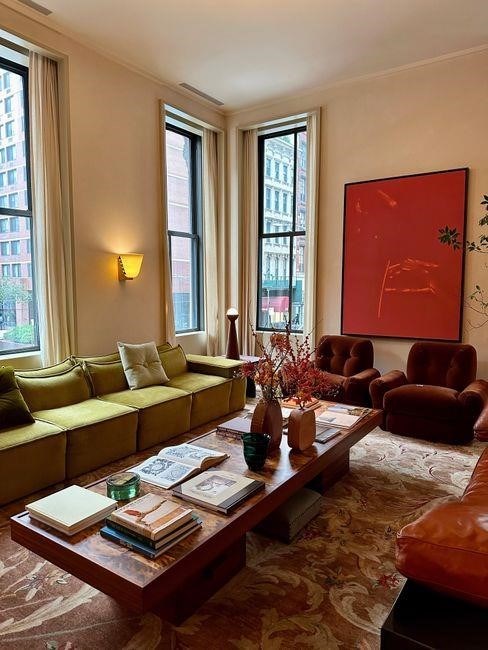
Design Within Reach
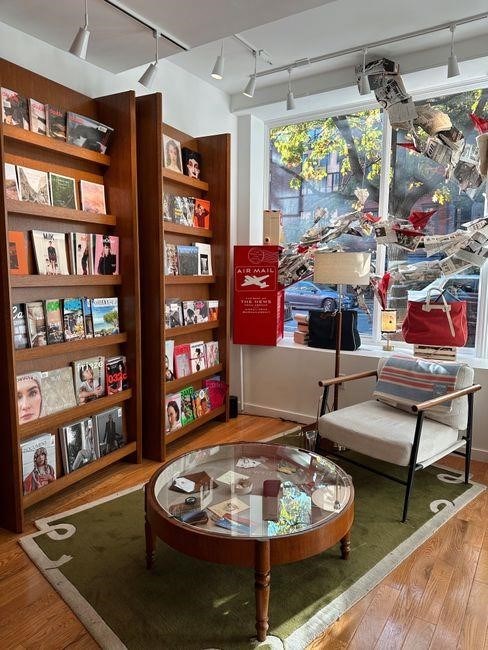
Design Within Reach is a flagship destination for modern design aficionados in New York City. Located in the heart of the city, the showroom showcases an extensive collection of furniture, lighting, and accessories that embody the brand’s commitment to quality, craftsmanship, and timeless aesthetics. Each piece is meticulously sourced from leading designers and manufacturers worldwide, ensuring that visitors encounter a curated blend of classic silhouettes and contemporary innovations. The layout of the space itself is a testament to the principles of open, airy design, with strategically placed displays that allow guests to experience the scale and detail of each item in a relaxed, engaging environment. Whether you’re searching for a statement sofa, a sculptural lamp, or a functional storage solution, the knowledgeable staff at Design Within Reach is ready to provide personalized guidance, helping you to translate your vision into a cohesive, stylish reality. With a focus on sustainability, the brand partners with suppliers who prioritize responsible sourcing and ethical production practices, making it an ideal choice for eco‑conscious shoppers; The store also hosts occasional workshops and events, offering deeper insights into design trends, material science, and the creative process behind the pieces on display. For those who prefer to shop from the comfort of their own space, an online platform extends the same curated selection, complete with detailed product descriptions, high‑resolution imagery, and a seamless checkout experience. Whether you’re a seasoned interior designer, a first‑time home buyer, or simply a lover of well‑crafted objects, Design Within Reach provides a comprehensive, inspiring experience that celebrates the intersection of form, function, and enduring style.
The Citizenry
The Citizenry is a boutique that champions ethically sourced, handcrafted furnishings crafted by artisans from around the globe. Its New York City showroom, situated in a renovated loft, offers a curated selection of tables, chairs, lighting, and textiles that marry contemporary design with traditional techniques. Each item is produced in limited runs, ensuring exclusivity and a commitment to quality. The brand’s philosophy centers on transparency, with detailed provenance for every piece, allowing customers to trace the journey from raw material to finished product. In addition to furniture, The Citizenry showcases a range of home décor accessories, including ceramics, glassware, and woven textiles, all designed to complement the core aesthetic of sustainable luxury. The store’s layout emphasizes an open, airy feel, with natural light filtering through expansive windows, creating an inviting space for exploration. Staff members are knowledgeable about the cultural heritage behind each craft, offering insights into the stories of the artisans and the regions they hail from. The Citizenry also collaborates with emerging designers, providing a platform for fresh perspectives while maintaining a high standard of craftsmanship. For those unable to visit in person, an online shop mirrors the in‑store experience, featuring high‑resolution images, detailed product specifications, and a seamless checkout process. Whether you’re renovating a single room or reimagining an entire home, The Citizenry provides thoughtfully curated pieces that blend modern aesthetics with timeless, responsible production practices, making it a must‑visit destination for design enthusiasts seeking authenticity and elegance. Its curated approach elevates daily living while supporting global artisans, ensuring each purchase sustains livelihoods!
Roman and Williams Guild
Roman and Williams Guild is a premier destination for design aficionados seeking a blend of contemporary aesthetics and timeless craftsmanship. Located in the heart of Manhattan’s design district, the boutique showcases an eclectic mix of furniture, lighting, and accessories sourced from both established and emerging designers worldwide. The store’s curated collection emphasizes clean lines, sustainable materials, and functional elegance, making it a favorite among interior designers. For all ages and style and taste! The shop’s layout is thoughtfully organized, allowing visitors to visualize how items might coexist in their own homes. Staff members are highly knowledgeable, offering personalized consultations that consider a client’s style preferences, spatial constraints, and budget. In addition to retail, Roman and Williams Guild hosts occasional workshops and talks featuring designers and artisans, fostering a community of creative exchange. The brand’s commitment to sustainability is evident in its selection of eco‑friendly materials and ethical production practices, ensuring that every purchase supports responsible manufacturing. Whether you’re looking to refresh a single room or overhaul an entire interior, Roman and Williams Guild provides the inspiration and expertise to bring your vision to life. Designers and shoppers find inspiration now! here. Its curated selection ranges from minimalist modern pieces to richly textured heirlooms, ensuring every visitor finds items that resonate their aesthetic. for all!!
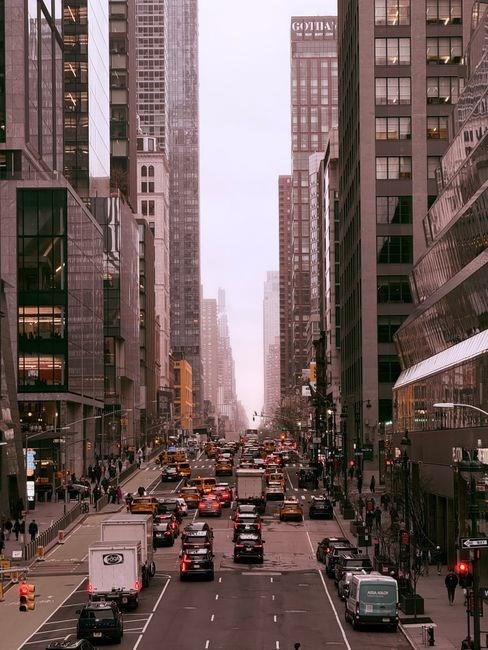
MacKenzie-Childs
MacKenzie‑Childs stands as a beacon for design lovers in New York City, offering a curated selection of furniture, lighting, and accessories that blend contemporary flair with classic sophistication. The boutique’s layout is a study in minimalism, with open spaces that allow each piece to breathe and invite visitors to imagine how it might fit into their own homes. From sleek, modular sofas to artisanal lamps crafted by hand, every item reflects a commitment to quality craftsmanship and thoughtful design. The store’s emphasis on sustainability is evident in its choice of eco‑friendly materials and partnerships with manufacturers who prioritize ethical production practices. Staff members are not only knowledgeable but also passionate about helping clients discover pieces that resonate with their personal style and functional needs. In addition to retail, MacKenzie‑Childs hosts occasional workshops and talks featuring designers, architects, and industry experts, fostering a vibrant community of creative exchange. Whether you’re a seasoned interior designer or a homeowner looking to refresh a single room, MacKenzie‑Childs provides inspiration, expertise, and a curated selection that can transform any space into a statement of modern elegance. Explore the latest trends, discover timeless classics, and let the boutique’s curated collection guide your design journey. Its curated showroom also features rotating seasonal displays that showcase emerging designers, ensuring that every visit offers fresh inspiration and vivid possibilities for creative expression